
In The Magic of Influence, we explored how Disney content creators are reshaping marketing strategies and brand perception through authentic storytelling. But behind the polished posts and joyful videos lies a more nuanced reality: the mental health toll of staying visible and relevant in a rapidly changing digital landscape.
For many Disney influencers, especially those not living near the theme parks, the pressure to consistently create content that keeps pace with algorithmic demands can lead to burnout, comparison, and a sense of isolation. While the Disney brand is synonymous with joy and imagination, the creative labor behind that storytelling can quietly take its toll.
Erin, known on Instagram as @enchantinglyerin, reflected on this challenge during a recent interview. “Sometimes I can find it difficult because I’m not there to post about every little new thing,” she shared. “Sometimes I have to just go, ‘well, that one’s not for me,’ but I do try and plan ahead for what I can.” Erin described a current example: “My family is going to see Lilo and Stitch this week, so I’ll do a post on that, but a new food item at Disney Springs isn’t something I’d be able to cover.”
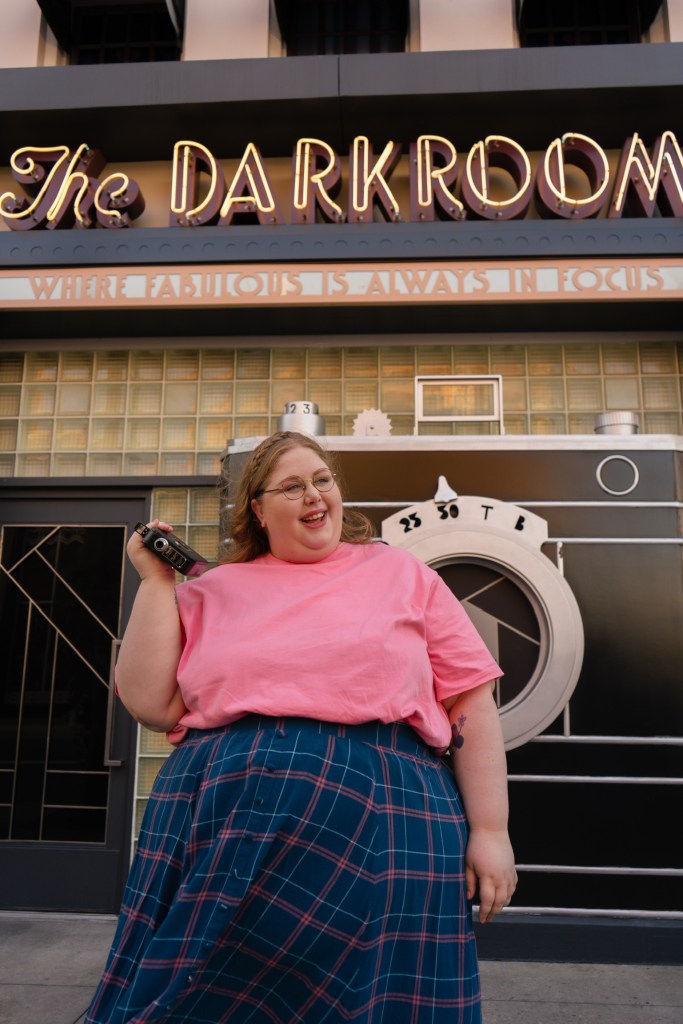
Her experience is common among creators who live far from the theme parks yet still contribute to the Disney content community with passion and consistency. Many, like Erin, get creative in their local spaces. “I do try and go out and take photos in interestingly themed areas around my town that look a little bit more ‘Disney’ if I can. Especially with my Star Wars outfits, I’ll try and find some cool buildings,” she added. “I try really hard not to make it a comparison game. There is space for everyone to share what they love!”
That sentiment of both inclusion and pressure mirrors broader concerns about mental wellness in digital spaces. While influencers often begin their journeys with joy and fandom, the pressures of algorithms, brand visibility, and constant engagement can lead to creator fatigue. A 2022 study published in the Journal of Internet and Higher Education found that nearly 70% of full- or part-time content creators report feeling some level of anxiety tied to performance metrics like reach, views, and engagement rates.
In the Disney creator niche, where much of the content revolves around real-time experiences in the parks, creators who are not local may feel inadvertently left behind. “If you’re not at Disneyland or Walt Disney World,” one user commented during a recent content creator livestream, “sometimes it feels like you’re not part of the conversation.”
This geographic challenge does not just affect visibility. It can also compound feelings of imposter syndrome. Creators may question the value of their voice if they cannot report on new attractions, merchandise drops, or seasonal offerings as quickly as others. To cope, some creators focus on evergreen content or offer unique perspectives that do not rely on physical access, such as personal Disney memories, themed fashion, DIY projects, or mental health commentary within fandom.
Mental health conversations in fandom spaces are becoming more common, with some creators openly discussing therapy, burnout, and boundaries. Influencers like Erin are helping normalize the idea that content can come in waves and does not need to meet every trending moment to be meaningful. In fact she will often post updates like “Spending some time with the family this weekend! See you on Monday with a new post.” This gives her followers something to look forward to while appeasing the algorithmic need to post, and allowing her a break.
Still, the ecosystem is evolving. Platforms like TikTok and Instagram reward frequency and engagement, often pushing creators to produce rapidly. The result is a digital “hamster wheel” that is difficult to step off without fear of losing momentum or connection with one’s audience.
At the same time, brands like Disney have begun to recognize the importance of diverse voices, including those outside of traditional creator hubs. As discussed in The Magic of Influence, initiatives such as the Disney Creators Lab and micro-influencer collaborations have widened access. One thing Disney has done well is starting to include non-locals in PR packages for things like Disney+ releases, toy unboxings, or holiday countdowns.
Creators themselves are advocating for a healthier balance. Many have begun incorporating scheduled breaks into their content calendars or setting clearer expectations with their audiences. Erin’s message of inclusivity and creative authenticity points to a possible future where presence, rather than proximity, becomes the measure of participation.
As social media continues to evolve, it is vital for creators and the brands they support to prioritize well-being. After all, the core of Disney’s magic lies not in perfect posts but in shared experiences, storytelling, and heart. And that is something worth preserving.


 Savannah Dison
Leave a comment